








The rules just changed.
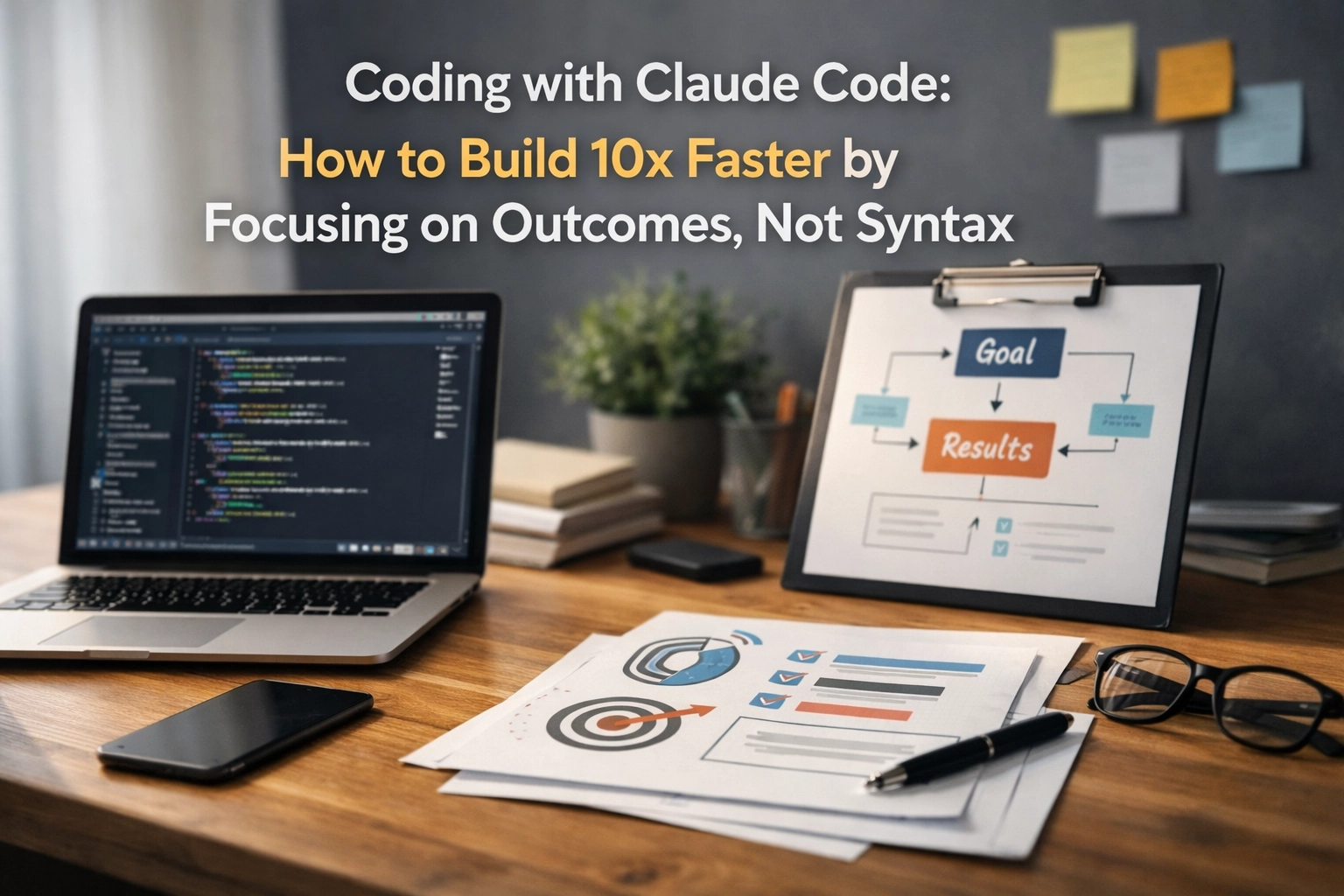
Tools like Claude Code don't just write faster code, they've completely flipped the development bottleneck. The constraint isn't typing speed anymore. It's not even technical knowledge. The real limiting factor is how clearly you can articulate what you actually need to build.
And most businesses? They're not ready for that shift.
The Agentic AI Development Revolution
Agentic AI development treats your coding assistant as exactly what the name suggests, an agent. Not a fancy autocomplete. Not a snippet generator. An autonomous collaborator that handles implementation while you focus on the what and why.
Claude Code can read your entire codebase. It understands context across dozens of files. It writes tests, fixes merge conflicts, updates dependencies, and refactors without breaking things. The technical execution that used to eat 80% of your development time? It now happens in minutes.

The productivity gains are real, teams are reporting 5x to 10x multipliers. But here's what nobody's talking about: that speed only matters if you know what you're building.
Why Speed Isn't the Story
Fast execution of a vague idea gets you nowhere fast.
I've watched businesses get excited about AI integration consulting, spin up Claude Code, and then... stall. Not because the tool failed. Because they couldn't clearly define the outcome they wanted.
The conversation goes like this:
"We need a dashboard." "What should it show?" "You know, the important metrics." "Which metrics matter for which decisions?" "Uh..."
Claude Code can build you a dashboard in an hour. But it can't tell you what should be on it. It can't prioritize features based on your business model. It can't know that your sales team needs real-time data but your finance team needs monthly aggregates.
That's your job. And it's harder than it sounds.
The New Bottleneck: Business Logic Clarity
Here's what separates companies that 10x their development speed from those that just spin faster in circles:
Clear outcome definition.
Not technical specs. Not user stories written by someone who's never talked to an actual user. Clear, prioritized outcomes tied to business impact.
The best prompt for Claude Code isn't: "Build a user authentication system with JWT tokens and refresh token rotation."
It's: "Our users need to log in once and stay logged in for 30 days unless they explicitly log out, because they access the app multiple times per day and login friction is killing activation rates."
See the difference? One tells the agent how to build something. The other explains what problem you're solving and why it matters. Claude Code can figure out JWT tokens. It can't figure out that login friction is your real problem.
What Outcome-Focused Development Actually Looks Like
Treat Claude Code like a highly skilled developer who doesn't know your business. Because that's exactly what it is.
You wouldn't hand a new senior engineer a ticket that says "improve the checkout flow" and expect magic. You'd explain what's broken, what success looks like, and what constraints matter.
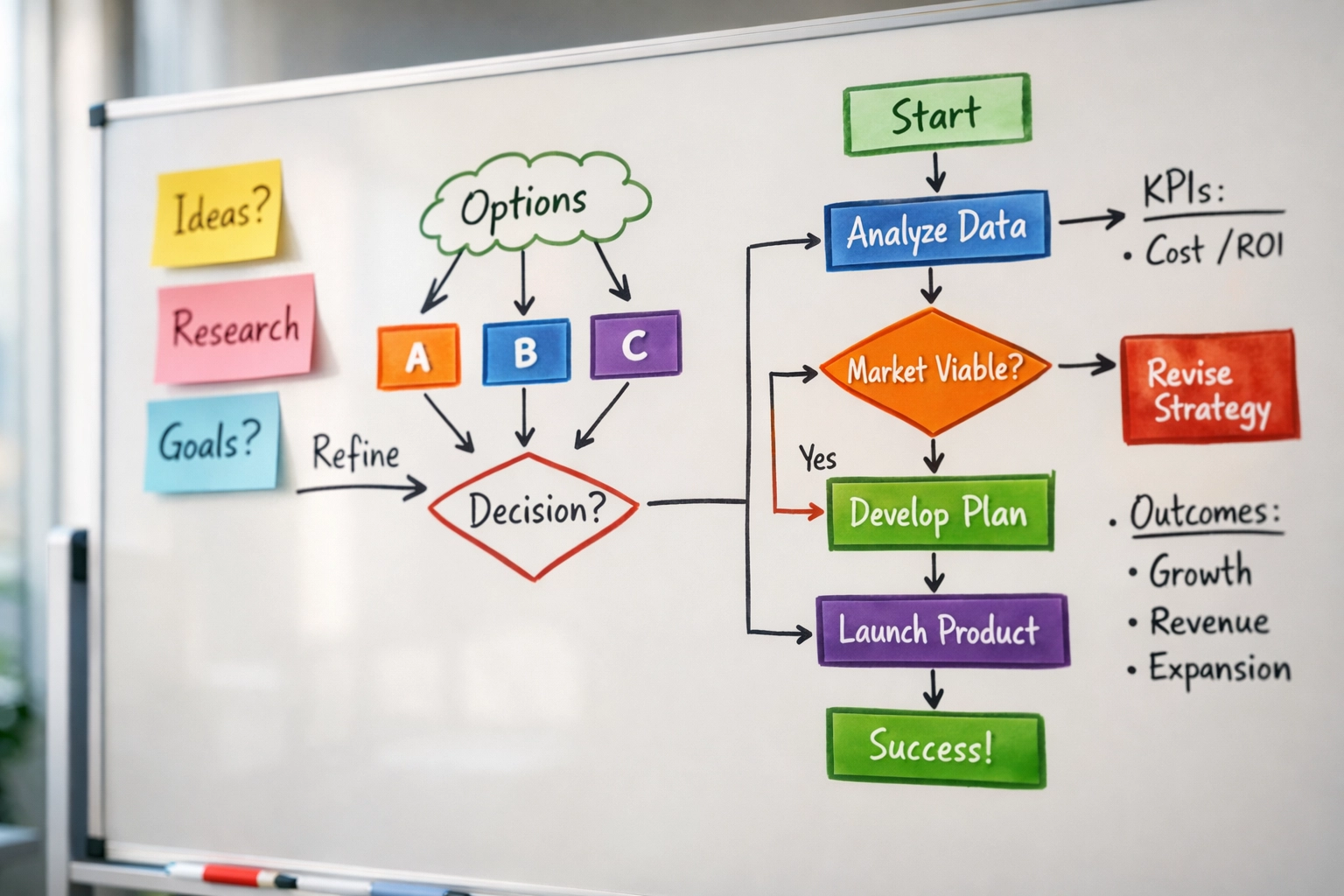
Break down what you need into digestible pieces. Not technical pieces: outcome pieces. Don't overload a single prompt with ten requirements. Build iteratively, testing each piece against your actual business need.
Focus on the why, not the how. Small changes in how you phrase requests create massive differences in results. "Make the form faster" is vague. "Users are abandoning after the third field, so we need to reduce fields or split into steps" gives Claude Code something to work with.
Communicate design intent, not implementation details. The agent handles syntax. You handle strategy.
This is where agentic AI development gets interesting: and where most technical documentation completely misses the point. The people writing about these tools are engineers explaining technical capabilities. But the real unlock comes from business clarity, not technical prowess.
The Skills That Actually Matter Now
Ten percent of traditional programming skills just became exponentially more valuable:
- Architectural thinking - knowing what to build and in what order
- Business judgment - understanding which features move metrics
- System orchestration - coordinating multiple AI agents effectively
- Outcome articulation - translating business needs into clear requirements
The other ninety percent? Claude Code handles it.
This isn't about replacing developers. It's about changing what development means. The typing part is automated. The thinking part is now everything.

If you're a founder or business leader, this shift should terrify you a little: because it means your vague requirements and unclear priorities now directly limit your development speed. There's no technical team to blame for "taking too long" when the agent can build in hours what used to take weeks.
The constraint is your clarity.
Making This Shift in Your Business
Start with outcomes, not features.
Before you touch Claude Code or any agentic AI development tool, answer these questions:
What problem are you solving? Not "we need an app" or "we need automation." What specific business problem: stated in terms of customer impact or revenue or efficiency: are you addressing?
What does success look like? Measurably. "Better user experience" isn't an outcome. "Reduce support tickets by 40%" is.
What's the sequence? If you could only build three things, in order, what would they be? This forces prioritization based on value, not wishlist.
What constraints actually matter? Budget, timeline, compliance, existing systems: which ones are real blockers versus nice-to-haves?
Once you can answer those questions clearly, tools like Claude Code become force multipliers. Without those answers, they're just faster ways to build the wrong thing.
The AI Consulting Reality
This is where AI integration consulting either adds massive value or wastes your money.
A good AI consultant doesn't just implement tools. They help you define the outcomes clearly enough that the tools can execute effectively. They translate your business logic into agent-compatible requirements. They spot the gaps in your thinking before they become expensive mistakes.
A bad AI consultant installs Claude Code, shows you how to use it, and calls it done. You're left with a powerful tool and no idea what to tell it to build.

The difference comes down to whether the consultant understands that agentic AI development is a business clarity problem disguised as a technical implementation problem.
What This Means for You
Your competitive advantage isn't access to Claude Code: everyone has that.
Your advantage is how clearly you can define what needs to be built and why. How well you can articulate outcomes that matter. How effectively you can break complex business needs into agent-executable pieces.
The companies winning with agentic AI development aren't the ones with the best engineers. They're the ones with the clearest business logic.
If you can describe your needs with precision, you can build with unprecedented speed. If you can't, you'll just make mistakes faster.
The tool accelerated everything: including the cost of unclear thinking.
Ready to Build Faster?
The shift to agentic AI development isn't coming. It's here. The question is whether your business is ready to think clearly enough to take advantage of it.
If you need help translating your business needs into agent-executable outcomes, or if you're struggling to prioritize what to build first: that's exactly the kind of strategic work I do. Not implementing tools. Clarifying outcomes.
Because the tools are ready. The question is: are you?